Long before European explorers set foot in the Pacific, island communities from Vanuatu to Hawaii shared a sacred drink that bound them together across thousands of miles of open ocean. Kava - known as 'awa in Hawaii, yaqona in Fiji, and sakau in Pohnpei - has been central to Pacific Island culture for over 3,000 years.
This is the story of how a humble pepper plant became one of the world's most culturally significant beverages.
Origins: Where Kava Began
The kava plant (Piper methysticum) originated in the islands of Vanuatu, in what archaeologists call Melanesia. Linguistic and botanical evidence suggests that ancient Melanesians first began cultivating and using kava sometime between 1500-1000 BCE.
The plant itself is sterile - it cannot reproduce through seeds. This means that every kava plant alive today is a clone, propagated through cuttings over thousands of years. This human-dependent reproduction is proof that kava has been intentionally cultivated since its earliest days.
Every kava plant in the world traces back to ancient Vanuatu - a living connection to Pacific Island ancestors stretching back three millennia.
From Vanuatu, kava spread with Polynesian voyagers as they colonized the Pacific. These remarkable sailors carried kava cuttings in their canoes as they navigated by stars and currents to new islands, bringing their sacred plant with them.
The Spread Across the Pacific
Kava's journey across the Pacific mirrors the migration patterns of Polynesian peoples:
Fiji (~1500-1000 BCE)
Fiji became one of the earliest adopters of kava culture outside Melanesia. Here, kava ceremonies (called yaqona) became central to political and social life. Chiefs would drink kava to commune with ancestors and make important decisions.
Tonga & Samoa (~1000-500 BCE)
As Polynesian culture developed in these islands, kava became intertwined with their concept of mana - spiritual power. Royal kava ceremonies became elaborate affairs, with specific protocols that are still observed today.
Hawaii (~500 CE)
When Polynesians reached Hawaii, they brought 'awa with them. Hawaiian culture developed unique uses for the plant, including in healing ceremonies conducted by kahuna (priests) and as an offering to the gods.
Traditional Ceremonial Uses
Across all Pacific Island cultures, kava served several important ceremonial functions:
Welcoming Guests
Offering kava to visitors was (and remains) the highest form of hospitality. Refusing kava is considered deeply disrespectful - accepting it shows trust and openness. When you drink kava with Pacific Islanders, you become part of their community.
Peace-Making
Kava ceremonies were used to resolve disputes between individuals, families, and even warring villages. The act of drinking together created a bond that allowed for reconciliation. In Fiji, this practice of i soro (ceremonial apology) using kava continues today.
Communicating with Ancestors
Many Pacific cultures believed that kava opened a channel to the spirit world. Chiefs and priests would drink kava before seeking guidance from ancestors or making prophecies.
Marking Life Events
Births, deaths, marriages, and coming-of-age ceremonies all featured kava. The drink marked transitions and brought communities together during important moments.
Traditional Preparation Methods
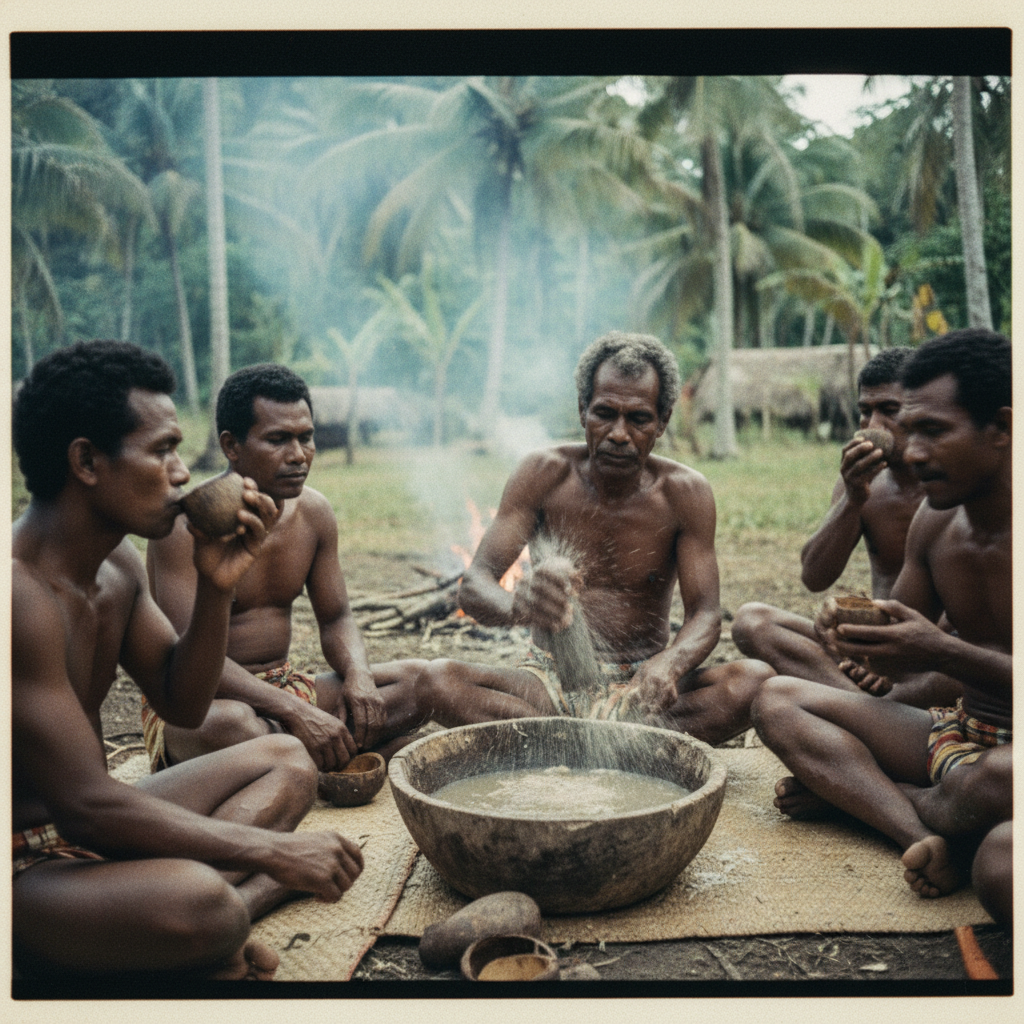
Historically, kava was prepared through mastication - young people (usually virgins) would chew the root to break down the fibers, then spit the pulp into a communal bowl. Water was added, and the mixture was strained through coconut fiber.
While this method sounds unusual to modern ears, the enzymes in saliva were thought to enhance the extraction of kavalactones. This practice has largely been replaced by pounding or grinding the root, but some traditional ceremonies still use the original method.
The kava would be prepared in a large wooden bowl called a tanoa (Fiji) or kumete (Samoa), and served in coconut shell cups called bilo.
European Contact and Colonial Impact
When European missionaries arrived in the Pacific in the 18th and 19th centuries, they viewed kava ceremonies with suspicion. Many missionaries attempted to suppress kava drinking, associating it with "heathen" practices.
Despite this pressure, kava culture survived - though it went underground in some areas. In Hawaii, 'awa use declined dramatically but never disappeared entirely. In Fiji and Tonga, kava remained central to daily life and actually became more widespread after European contact.
The Modern Kava Renaissance
Today, kava is experiencing a remarkable revival. In Pacific Island nations, traditional ceremonies continue unchanged. Meanwhile, kava has spread to the United States, Europe, and beyond through:
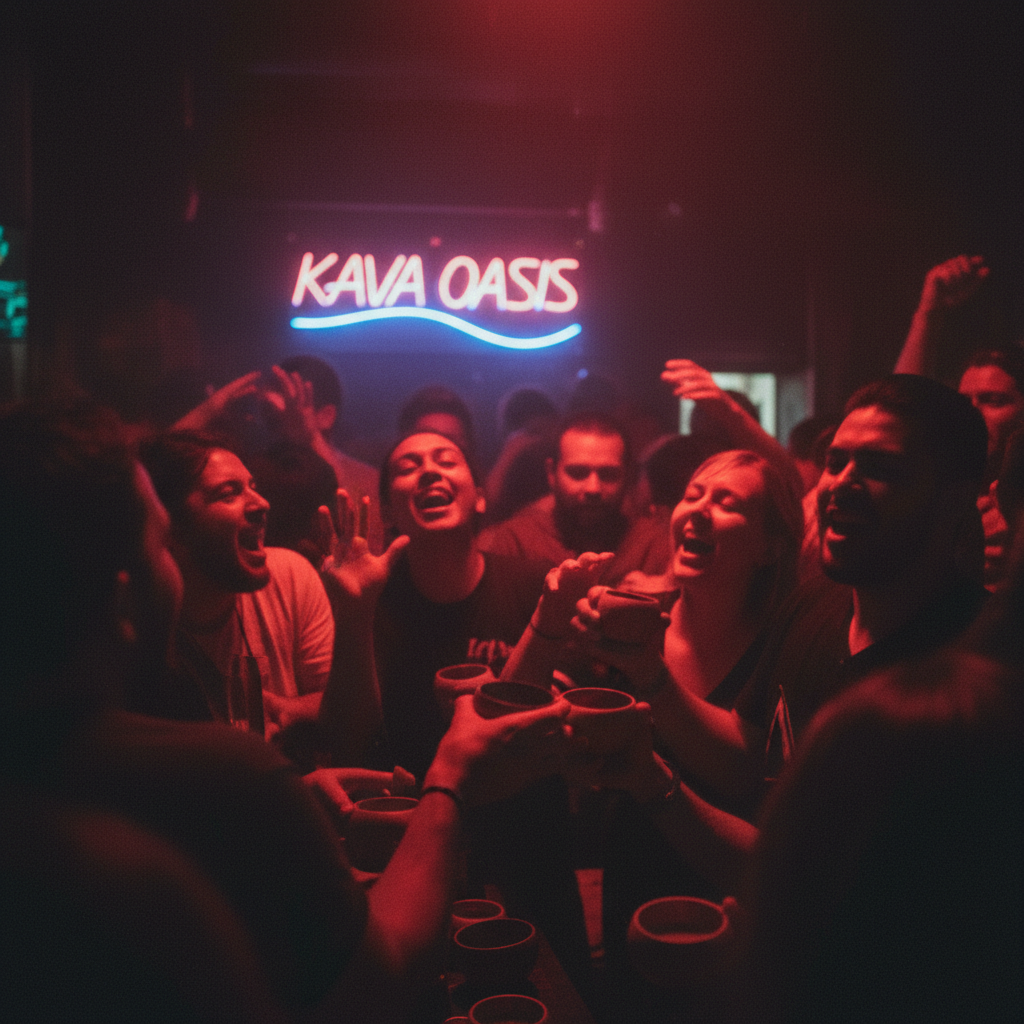
- Kava Bars - Starting in Florida in the 1990s, kava bars have spread across the US, offering a social alternative to alcohol
- Pacific Islander Diaspora - Immigrants have brought kava culture to cities like Los Angeles, Salt Lake City, and Auckland
- Wellness Movement - Health-conscious consumers have discovered kava as a natural way to relax
- Scientific Validation - Research confirming kava's safety and efficacy has boosted interest
Honoring the Tradition
When you drink kava today, you're participating in one of humanity's oldest continuous traditions. Pacific Islanders have shared this gift with the world, and with it comes a responsibility to honor its cultural significance.
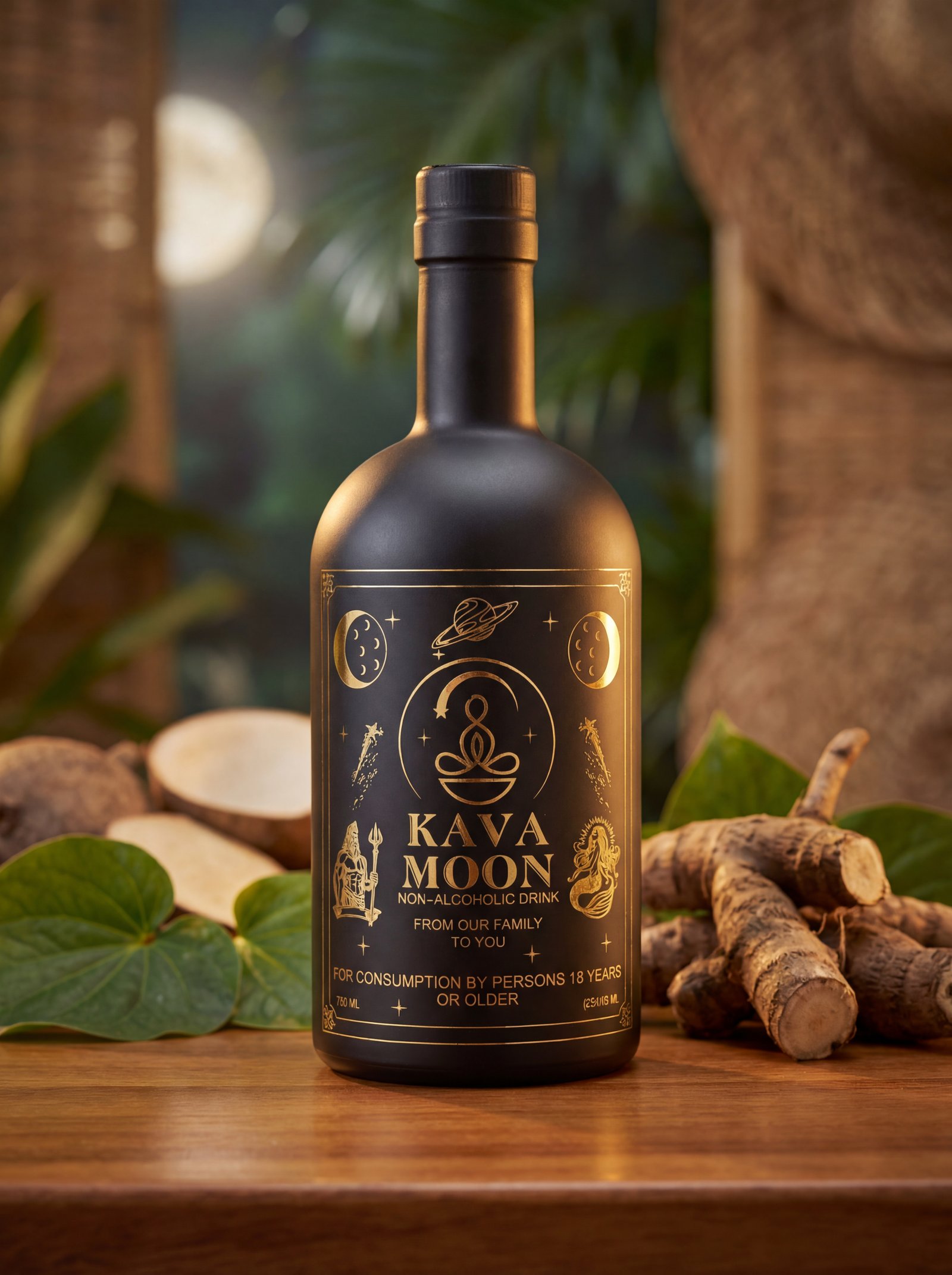
At Kava Moon, we source our kava from the same Pacific Island communities that have cultivated it for millennia. Every bottle connects you to 3,000 years of history, community, and the profound wisdom of cultures that understood the value of slowing down and connecting with one another.
Experience this ancient tradition for yourself. Explore our collection of premium noble kava.