
The short version
What the lab found.
- Kavalactones per 1.5 oz pour
- 296mg
- Chemotype
- 423165
- Pesticides detected
- 0of 63
- Mycotoxins detected
- 0of 5
The label says 300 mg.
Kavain first, the pattern of noble kava.
None above the reporting limits.
Aflatoxins and ochratoxin A.
The certificates
Both documents, in full.
One from the independent lab that tested the finished drink, one from our supplier for the kava extract. Pick one to read it here, or open the PDF.
A certificate describes the sample that was tested, so each one here shows its date, and its lot where it has one, for you to see exactly what it covers.
Kavalactone profile
Six kavalactones, measured.
Kava has six main kavalactones. The lab measured each one in a bottle of Signature; here they are per 1.5 oz pour, largest first.
The chemotype: 423165
Each kavalactone has a number, and the chemotype lists them from most to least. Noble kava usually leads with kavain (4) or dihydrokavain (2). Ours leads with kavain, and has 4.2 times as much kavain as dihydromethysticin; our supplier’s cut-off for noble is 1.2. The supplier’s own certificate rates the extract noble too.
- 4K
- 2DHK
- 3Y
- 1DMY
- 6M
- 5DHM
Everything else
What else was tested.
-
5 tested
Mycotoxins
Aflatoxins B1, B2, G1 and G2, and ochratoxin A. None detected.
-
63 tested
Pesticides
None detected above the lab’s reporting limits.
-
62 tested
Residual solvents
Only ethanol and methanol showed up, in traces. What those traces mean is just below.
-
On the supplier’s certificate
Heavy metals and microbes
Arsenic 26.9 and lead 10.8 parts per billion against a 1,000 limit; cadmium and mercury under 10. E. coli, Salmonella, Staph and Pseudomonas absent.
The two traces
Ethanol and methanol, in proportion.
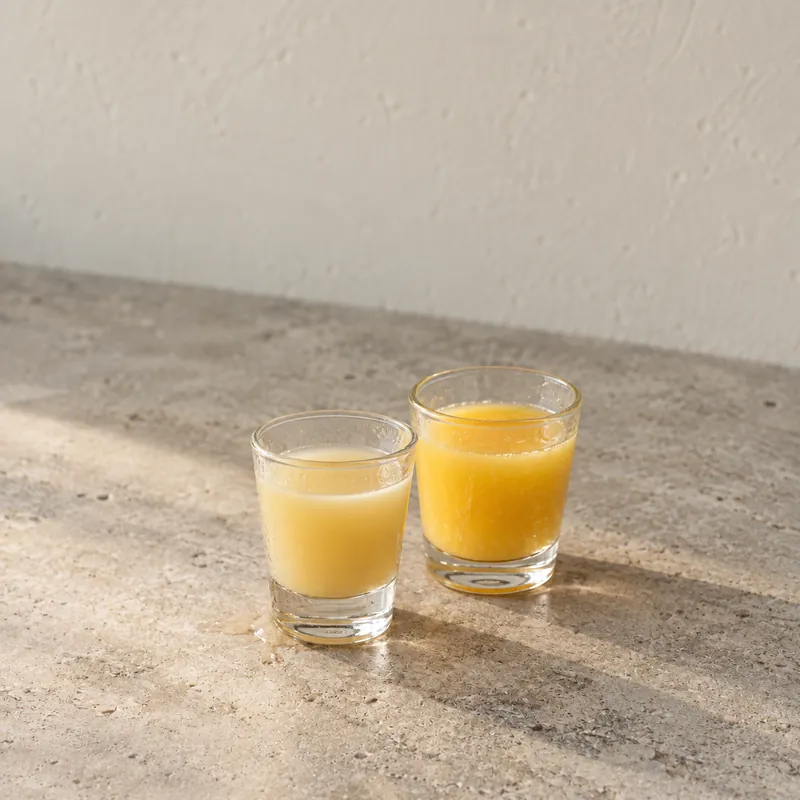
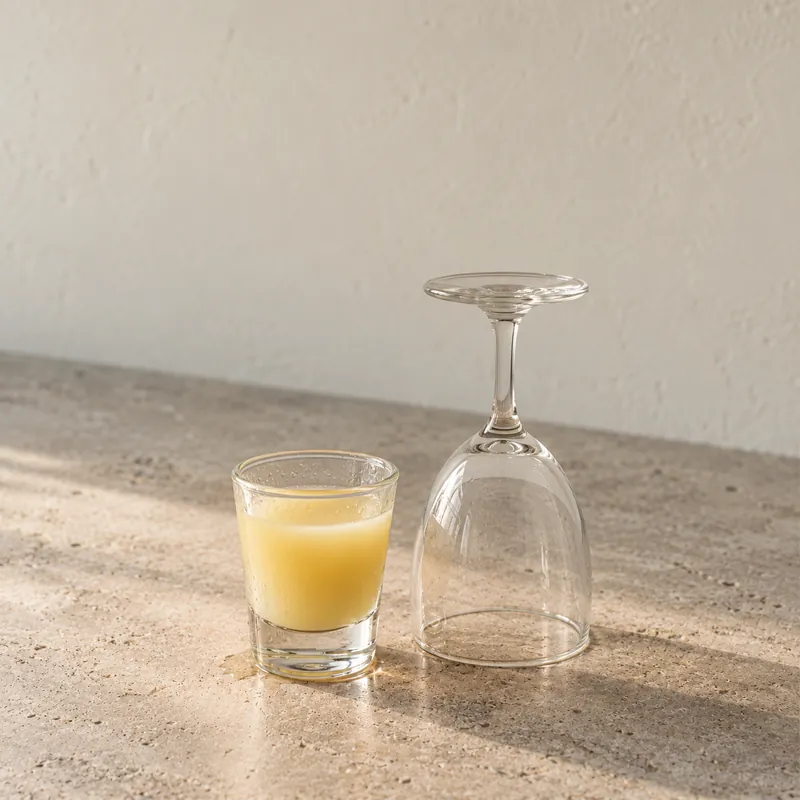
Of the 62 solvents on the panel, only these two came back above the lab’s reporting limit. Our kava is extracted with water alone, with no solvents anywhere in the process; the bottle tested was Signature, which is made with orange juice, and orange juice naturally carries traces of both. Here is how small the amounts are.
to add up to the alcohol in one standard drink, which holds about 14 g.
just to reach the EPA’s reference dose for a 176 lb adult: the amount it considers safe to take every day for a lifetime.
From the certificate’s 339 mg/kg ethanol and 62.7 mg/kg methanol, per 1.5 oz (44.4 mL) pour. EPA reference dose for methanol: 2 mg per kg of body weight per day.
Read more
Want to go deeper?
300 mg on the label, 296 mg measured. 17 pours in a bottle, about $2.64 each.
Tonight
Pour one, knowing what’s in it.
17 full-strength pours in every bottle, about $2.64 each. Signature for straight shots, Pure Canvas for mixing.
Third-party lab tested · Noble kava only · Made by a family in Orlando