Kavalactones are the compounds behind much of kava's activity. If you're comparing bottles, the useful question is how much is in a serving and what the manufacturer has actually measured.
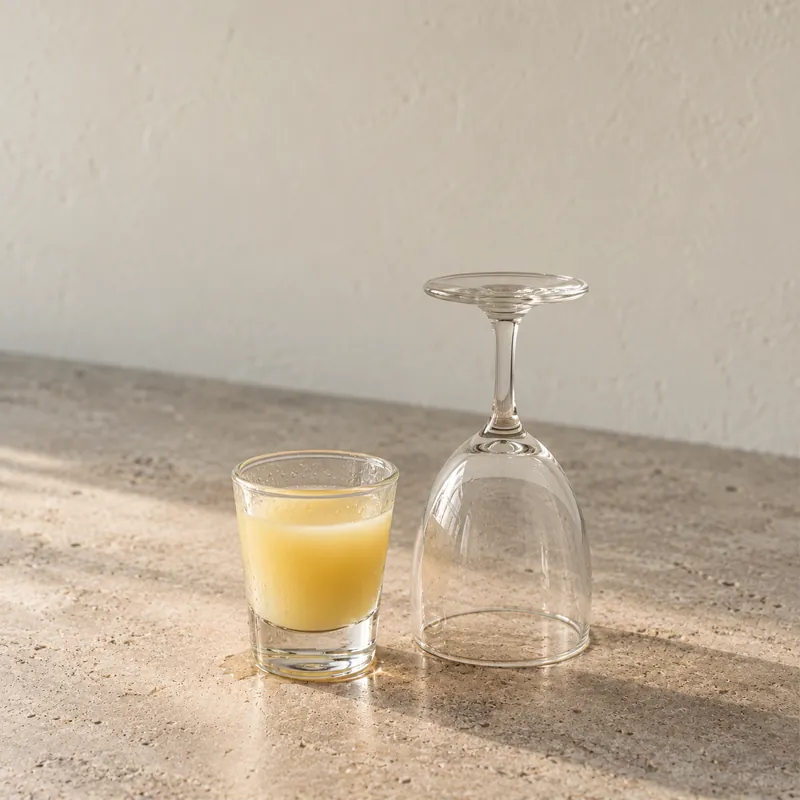
Our label states 300 mg per 1.5 oz pour. An independent lab measured about 296 mg in the Signature Citrus sample we sent. Those numbers tell you more than calling a drink "strong," but they still don't predict exactly how you will feel. For the different ways kava is prepared and sold, start with our kava drinks guide.
The six main kavalactones
Kava, Piper methysticum, contains several kavalactones. Lab reports usually focus on six major ones. Each has a conventional number, used to describe the sample's chemotype.
- Desmethoxyyangonin, or DMY
- Dihydrokavain, or DHK
- Yangonin, or Y
- Kavain, or K
- Dihydromethysticin, or DHM
- Methysticin, or M
The numbers identify the compounds. They don't rank quality or importance. Kavain is number 4 regardless of how much a sample contains.
What laboratory research shows
A 2016 study of kavain found that it changed the response of GABA-A receptors, which help regulate nerve-cell activity. The researchers did not find that effect through the classical benzodiazepine binding site.
That is a finding about a compound in an experimental system. It does not establish a medical benefit for a bottled drink. Nor does it mean that kava cannot impair you.
Research also examines other kavalactones and other pathways. Assigning each compound one simple feeling, such as "social" or "sleepy," would overstate what those studies can tell us. A prepared drink contains a mixture, and people respond differently.
How to read a chemotype
A chemotype lists the six compounds from most abundant to least abundant, using their numbers. Our March 2026 report reads 423165: kavain, dihydrokavain, yangonin, desmethoxyyangonin, methysticin, then dihydromethysticin.
It describes the relative composition of that tested sample. It doesn't name a cultivar, prove a product is noble by itself or tell you how many milligrams are in the serving. You need the individual results and total concentration for that.
Our noble and tudei guide explains why cultivar information and sourcing belong alongside the chemistry. We use noble kava root, extracted with water.
Read the units before comparing products
A powder may give a percentage by weight. An extract may list milligrams per gram. A drink may state milligrams per bottle or per serving. Those are different measurements.
Compare the amount in the serving you would actually pour. A bottle with several servings should not be compared with a single can using only the total on the front. Keep the serving volume beside the milligram figure.
The full independent report shows the measurements for our Signature Citrus sample. Our COA guide explains the calculations and the limits of those reports. They are not currently matched to the lot number on each bottle.
What you may notice
Drinkers often describe a tongue tingle followed by calm, easy relaxation. Neither that sensation nor its absence can verify the concentration of your drink. Use the label and lab data for that.
How much you pour matters. So do the product and your own response. A human pharmacokinetic study also found that food changed absorption of the extract tested. Higher numbers alone aren't a reason to drink more.
Putting the numbers to use
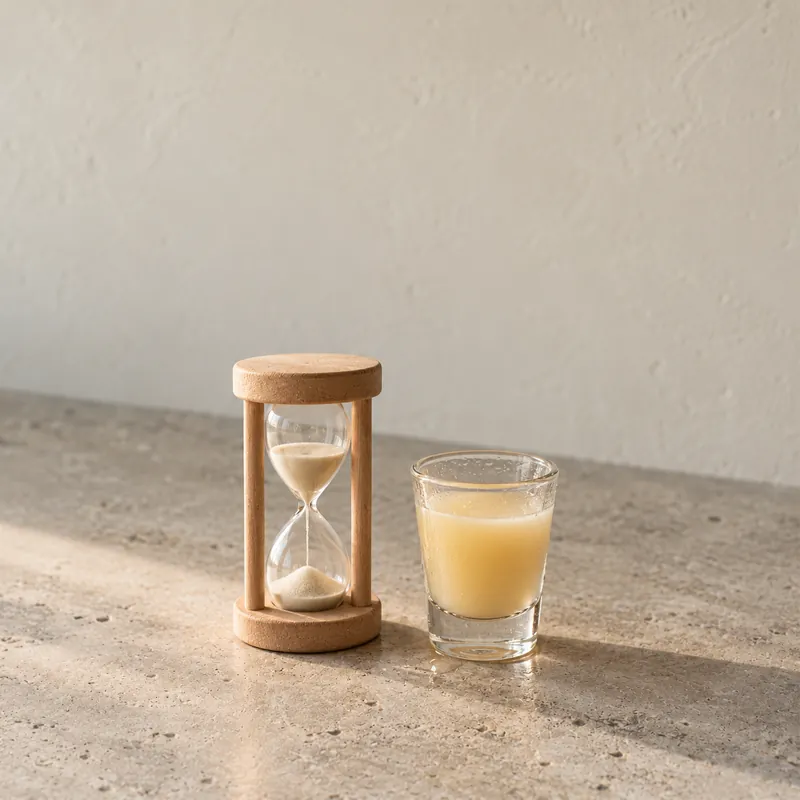
For Kava Moon Signature Citrus, measure one 1.5 oz serving. Wait at least an hour before considering a second, and stop at two in an evening. Follow the label on any other product.
Pedro Luz, Co-Founder of Kava MoonPedro runs Kava Moon with his family in Orlando, Florida. The family makes its drinks with noble kava and publishes its independent laboratory reports.