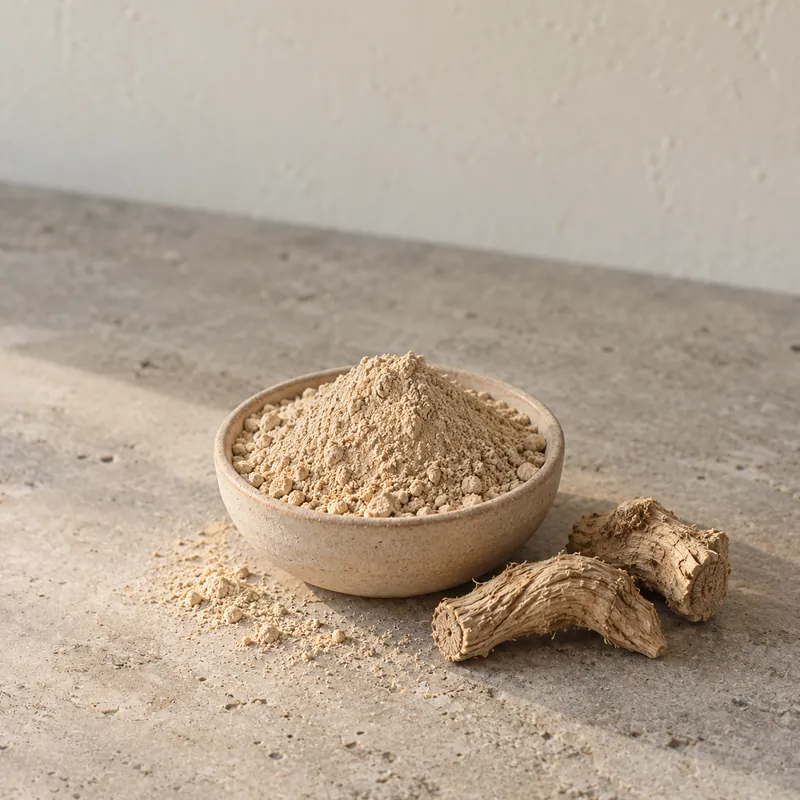
"Noble" is one of the first words you'll see when shopping for kava. It describes a group of cultivars traditionally chosen for drinking. It is useful information, but a word on a label doesn't tell you everything about the bottle.
I would read the sourcing details and the lab report together. Our kava drinks guide covers the formats; this article explains the variety names and chemical profiles you may see beside them.
What noble kava means
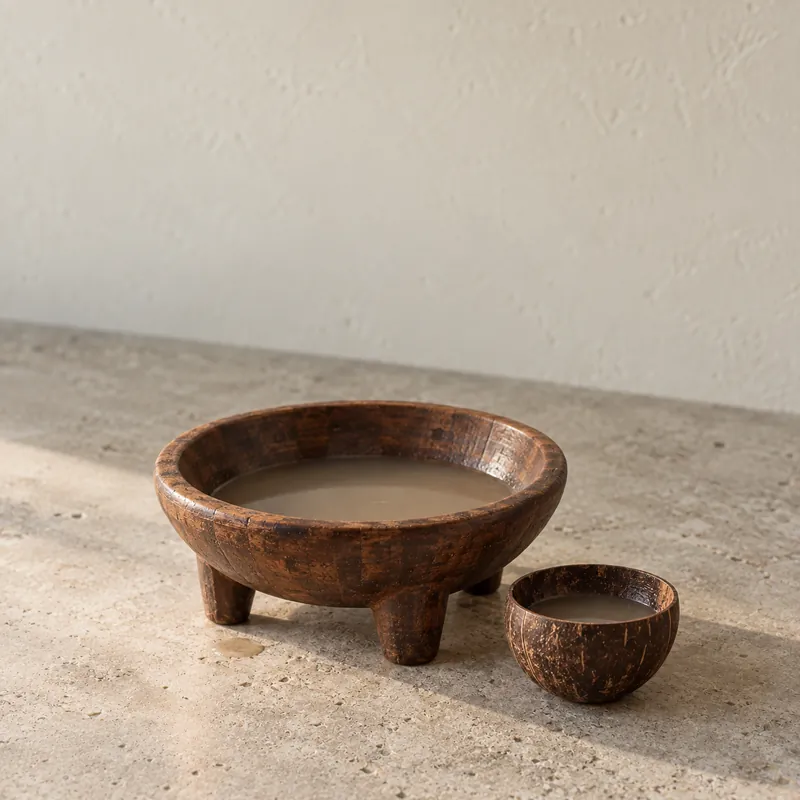
Noble kava refers to cultivars with a history of traditional beverage use in the Pacific. Growers have selected and maintained these varieties over generations. Kava Moon uses noble root only.
There are differences within that group. A cultivar name tells you more than the broad word "noble," and the country of origin adds another piece of sourcing information. Neither guarantees a particular feeling or removes the possibility of side effects.
What tudei means
Tudei, often written "two-day," refers to non-noble kava associated with lingering, sometimes unpleasant effects. It is not the kind we use in our drinks.
The name describes a reputation for prolonged effects; it is not a reliable 48-hour timetable. Reports of heaviness or nausea are a reason to ask about the material, rather than to treat longer-lasting effects as a selling point.
The cultivar research in Kavas of Vanuatu gives more background on the varieties and how growers distinguish them.
What a chemotype can tell you
A chemotype ranks six major kavalactones by their measured abundance. The numbering stays the same:
- Desmethoxyyangonin
- Dihydrokavain
- Yangonin
- Kavain
- Dihydromethysticin
- Methysticin
A code beginning with 4 means kavain was the largest of those six measurements. In our tested Signature Citrus sample, the full code is 423165.
That code describes a sample's chemistry. It doesn't identify its cultivar on its own. Flavokavain measurements can provide additional information, but a report needs to be read alongside the identity and sourcing records. Our kavalactone guide goes through the numbering.
Compare the material, not just the name
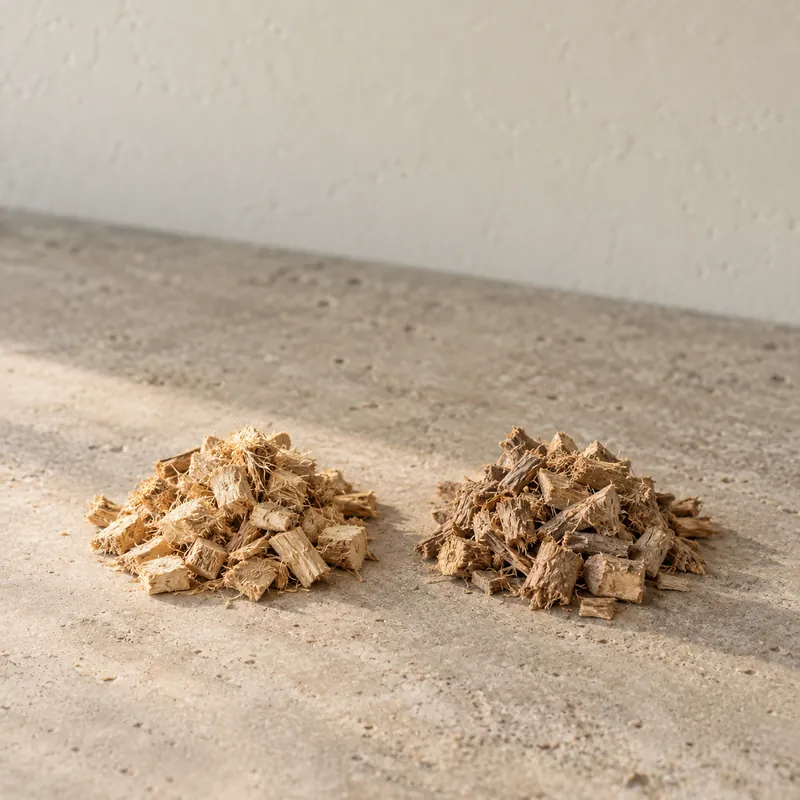
For a noble product, ask which cultivar or blend the supplier uses, where it was grown and which plant parts were processed. For any product, ask which tests support its stated composition.
A higher total kavalactone figure doesn't make a product better. Nor can you judge its quality by price alone. A cheap product needs evidence; an expensive one needs it too.
"Heady" and "heavy" are drinkers' descriptions
These terms are often used within noble kava. "Heady" usually describes a lighter, more social experience. "Heavy" describes a slower, more physically noticeable one. Some varieties are described as balanced.
They are subjective descriptions, not formal laboratory categories. A noble kava can be called heavy without being tudei. Don't use a reviewer's description as a prediction of your response or as permission to drive.
Questions worth asking before buying
- What is the country of origin, and is a cultivar or blend identified?
- Does the product use root material, and how was it extracted?
- Can you open the full report from a named laboratory?
- Which product or lot does that report cover?
- Which identity, potency and contaminant tests were actually performed?
Our guide to reading a kava COA explains those questions. A lab report can leave gaps, and a supplier saying "noble certified" needs to explain who verified it and how.
What we use at Kava Moon
We use noble kava root extracted with water, with no extraction solvents. We send our kava to an independent lab and publish the reports. The March 2026 third-party report tested a Signature Citrus bottle; it is evidence about that sample, not a certificate for every lot or every cultivar.
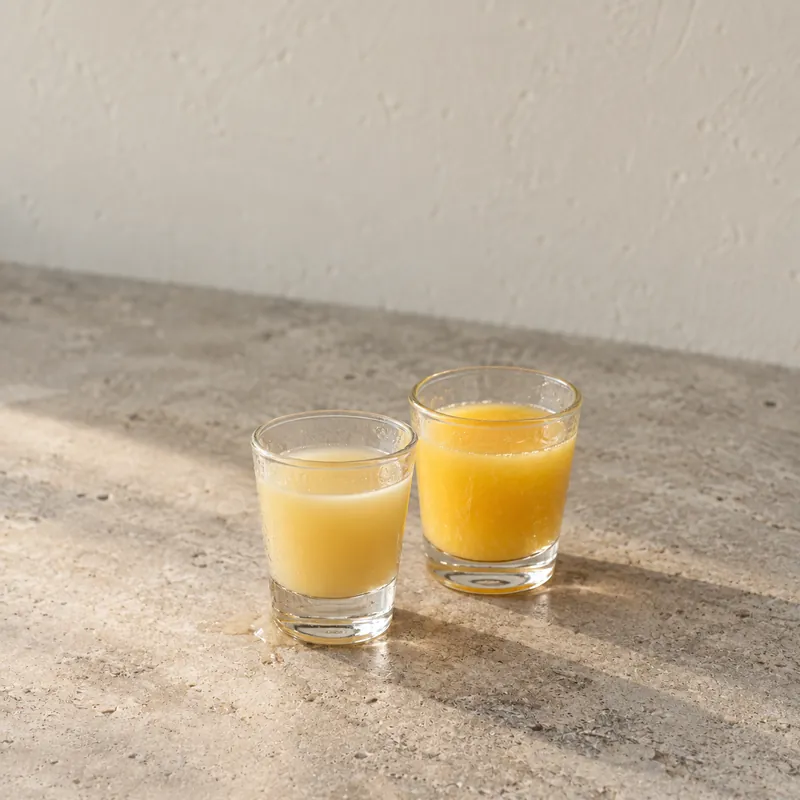
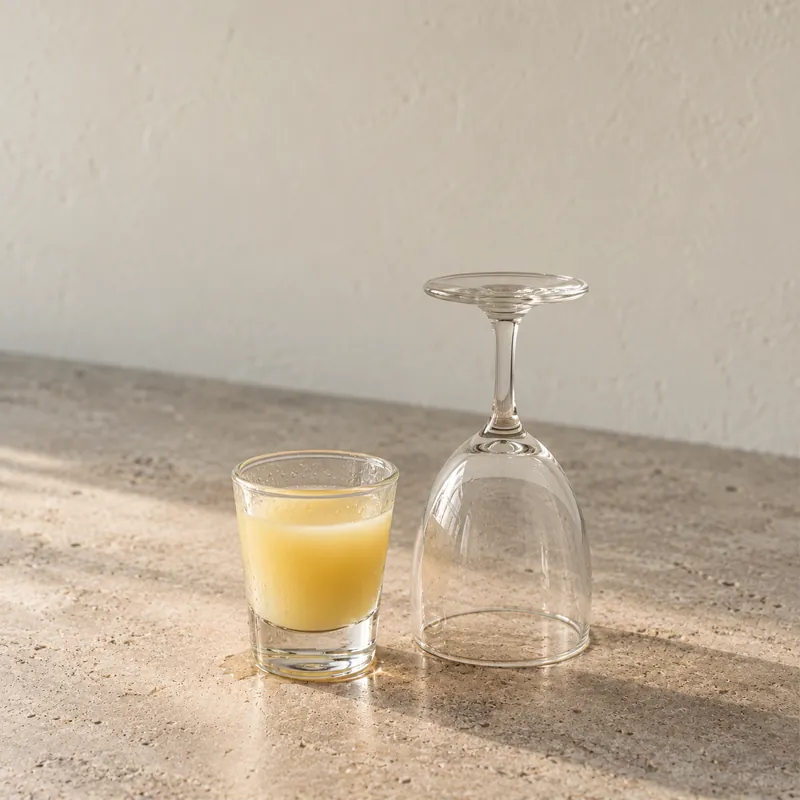
Signature Citrus adds orange juice. Pure Canvas leaves it out. Both are multi-serving drinks, so follow the label and measure your pour.
"Noble" does not mean risk-free. The NCCIH overview describes side effects and rare serious liver injuries associated with kava products.
Pedro Luz, Co-Founder of Kava MoonPedro runs Kava Moon with his family in Orlando, Florida. The family makes its drinks with noble kava and publishes its independent laboratory reports.