Kava had a place in Pacific life long before bottled kava drinks or American kava bars. People grew the plant, prepared its roots with water and shared it in settings that ranged from informal conversation to formal ceremonies.
That history spans thousands of years, but it isn't one story with one set of customs. The names, preparation and etiquette differ between communities. Our guide to kava drinks covers the practical basics; here, we look at some of that history.
Where the plant comes from
Kava is Piper methysticum, a member of the pepper family. Kew's botanical record places its native range from the Santa Cruz Islands to Vanuatu.
Cultivated kava is propagated from cuttings. Growers have maintained varieties by selecting and passing on planting material. The research collected in Kavas of Vanuatu documents those cultivars and their cultivation.
It's tempting to attach an exact arrival date to every island. The evidence is more complicated than that. What is clear is that people, cultivation and movement across the Pacific shaped the kava we know today.
Different names and traditions
Kava is called yaqona in Fiji and 'ava in Samoa. Hawaiian usage includes the name 'awa. Those names belong to places with their own histories; they aren't simply interchangeable labels for one ceremony.
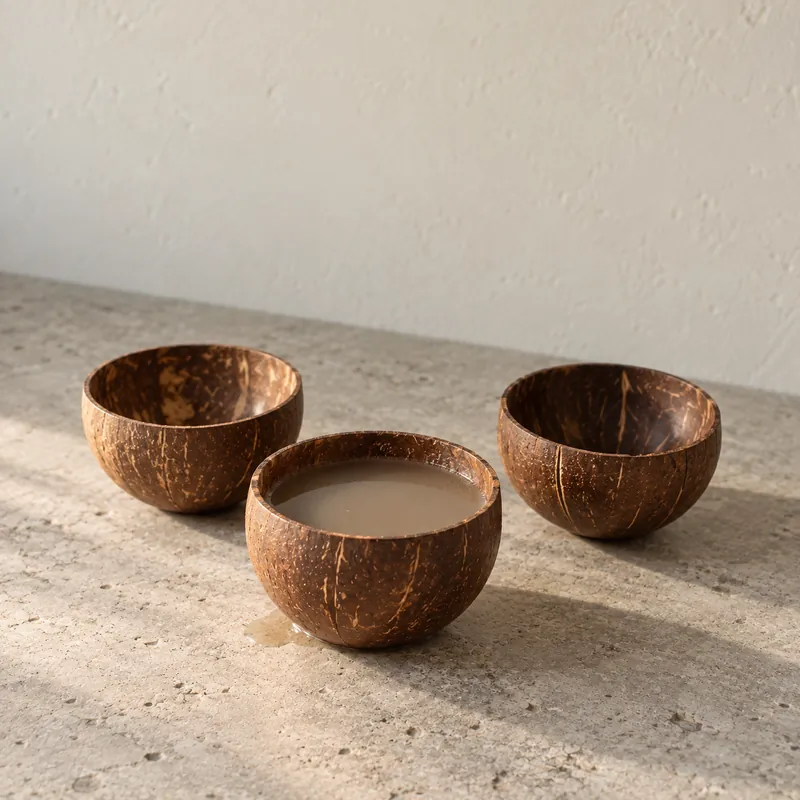
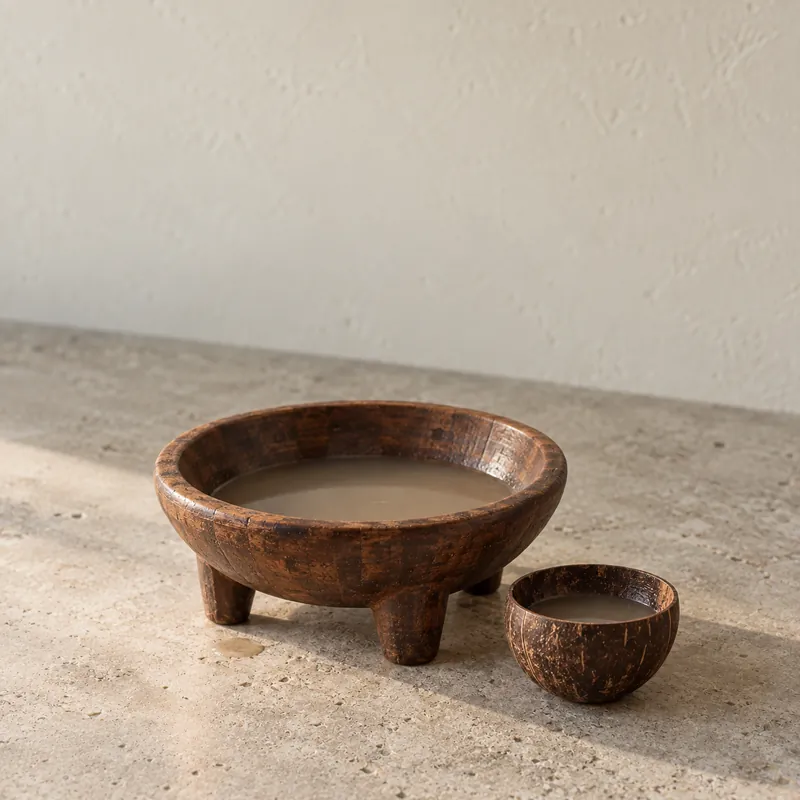
In Fiji, the tanoa is a bowl used to prepare and serve yaqona. Coconut-shell cups are called bilo. Te Papa's account of a Fijian tanoa describes both informal use and its role in chiefly gatherings.
Te Papa also records Tongan kava customs. Reading accounts from a particular community gives a better understanding than treating the whole Pacific as one tradition.
Hospitality and formal gatherings
Kava can be part of welcoming visitors, meeting with community leaders and marking an occasion. The order of serving, words spoken and places people sit can carry meaning.
Tourism Fiji's visitor guide explains the sevusevu welcome ceremony and advises visitors to follow their host's guidance. Its instructions describe a Fijian setting, not a universal rule for every kava gathering.
If you are invited to a ceremony, ask what is expected and tell your host if you cannot drink kava. Respect does not require ignoring your health or taking a substance you don't want to consume.
Preparing the root
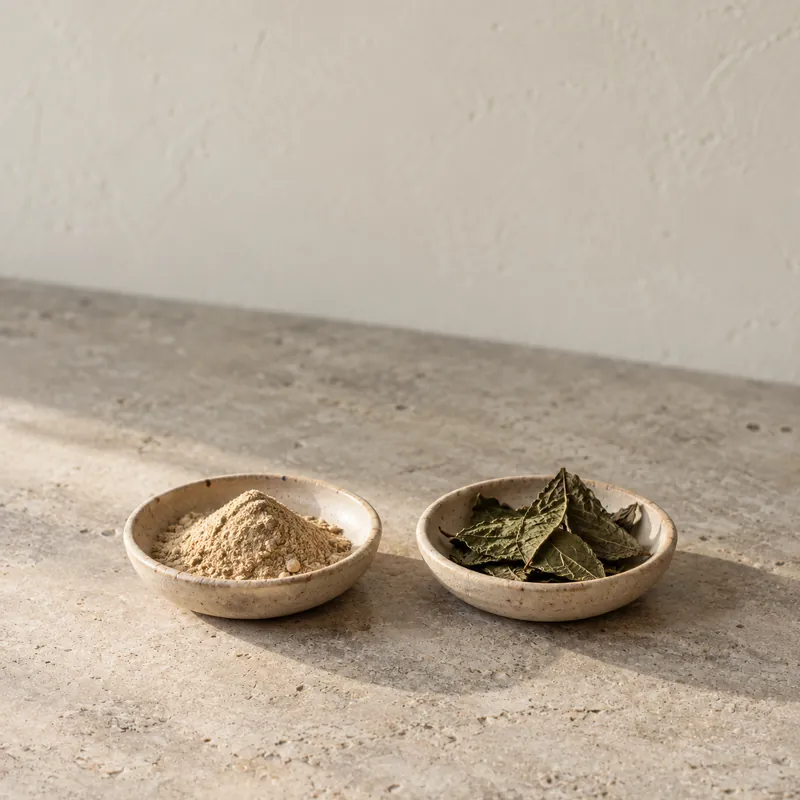
A familiar preparation uses ground or pounded root, water and a strainer. The root is worked in the water, then the liquid is separated from coarse material. The result has kava's earthy taste and a cloudy appearance.
Methods and equipment vary. A wooden serving bowl has a different role from the straining bag in a home kitchen, and bottled extracts use another production process again. They should not all be presented as identical to a traditional ceremony.
Read the history in its local context
Colonial accounts are part of the written record, but they are not the only way to understand kava. Community histories and local descriptions explain customs that an outside observer may have misunderstood or reduced to a curiosity.
For example, Te Papa's account of Rotuma's kava ceremony includes contributions from members of the Rotuman community. It describes the chants and participants in that setting. Details like those deserve their own explanation.
Kava today
Kava remains part of life in Pacific communities and has travelled with people abroad. There are also American kava bars, home-preparation products and ready-to-drink bottles.
Those newer formats can make kava easier to try. They don't replace the people or traditions behind it. A bottle on a Florida shop shelf and a formal Pacific ceremony share an ingredient, but they are different experiences.
Where our family fits
My family makes Kava Moon in Orlando. We use noble kava root, extracted with water, in Signature Citrus and Pure Canvas. We make a bottled drink for sharing at home; we don't present it as a traditional ceremony.
If the history interests you, follow the museum, botanical and community sources linked here. They give the people, places and objects more space than a product article can.

Pedro Luz, Co-Founder of Kava MoonPedro runs Kava Moon with his family in Orlando, Florida. The family makes its drinks with noble kava and publishes its independent laboratory reports.