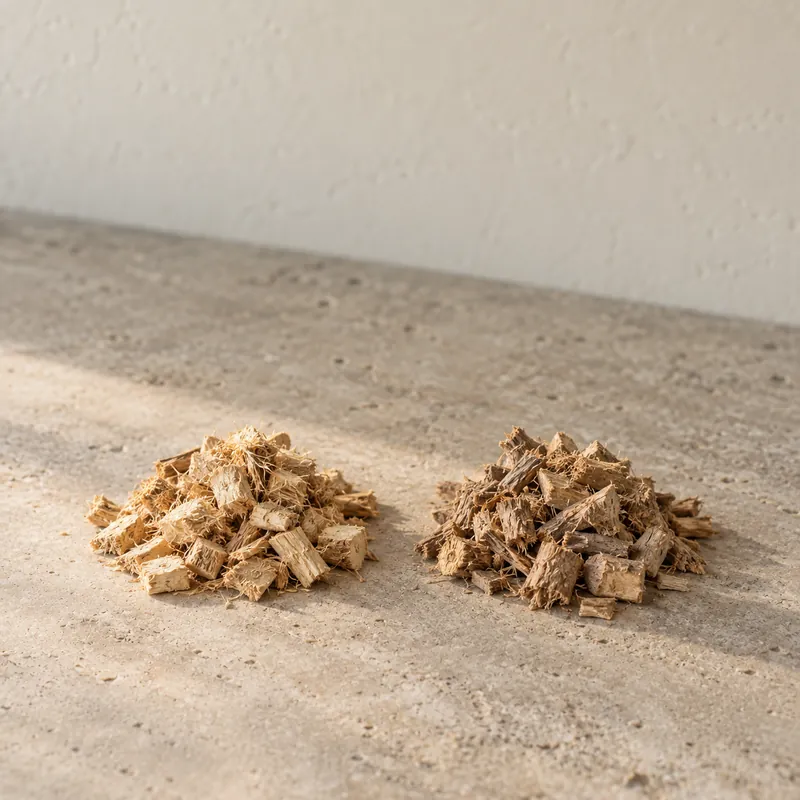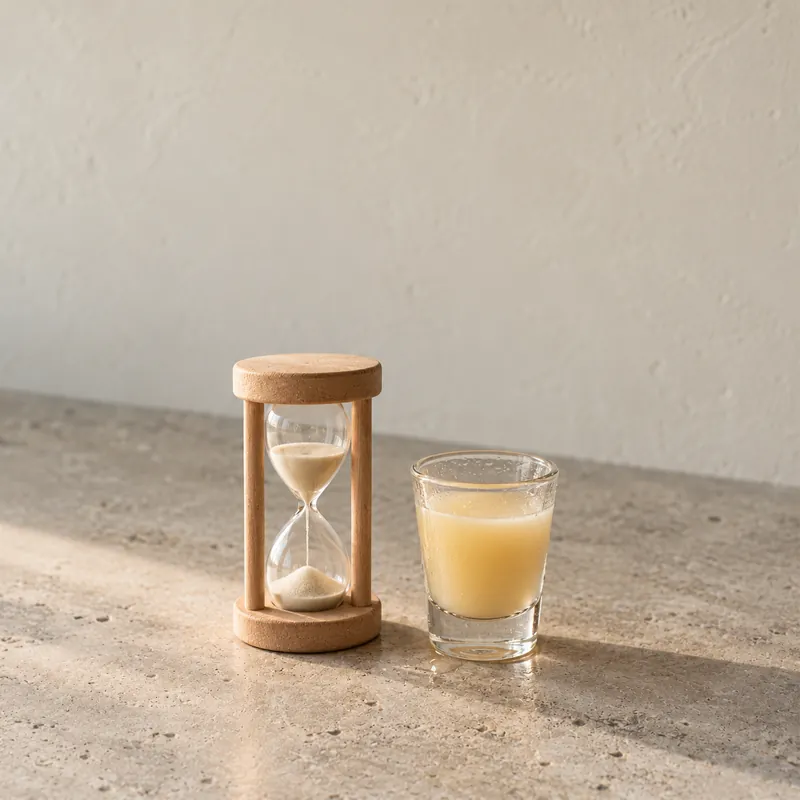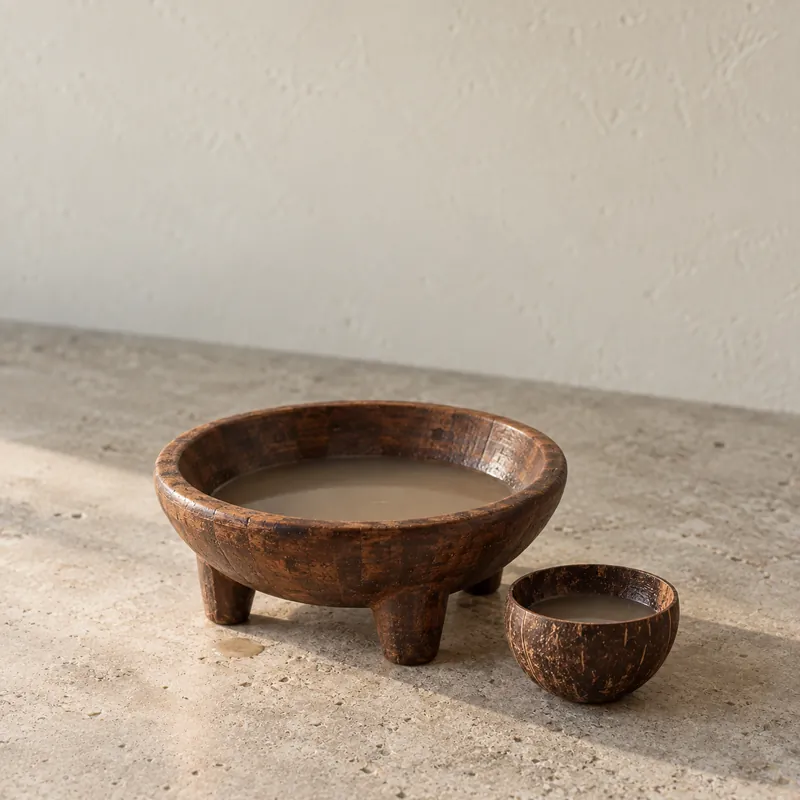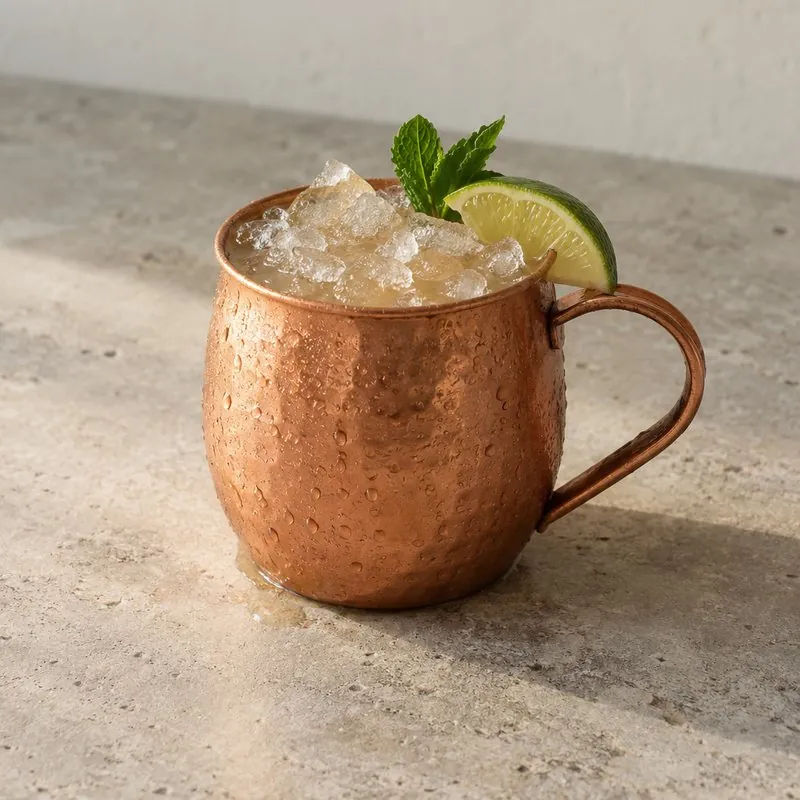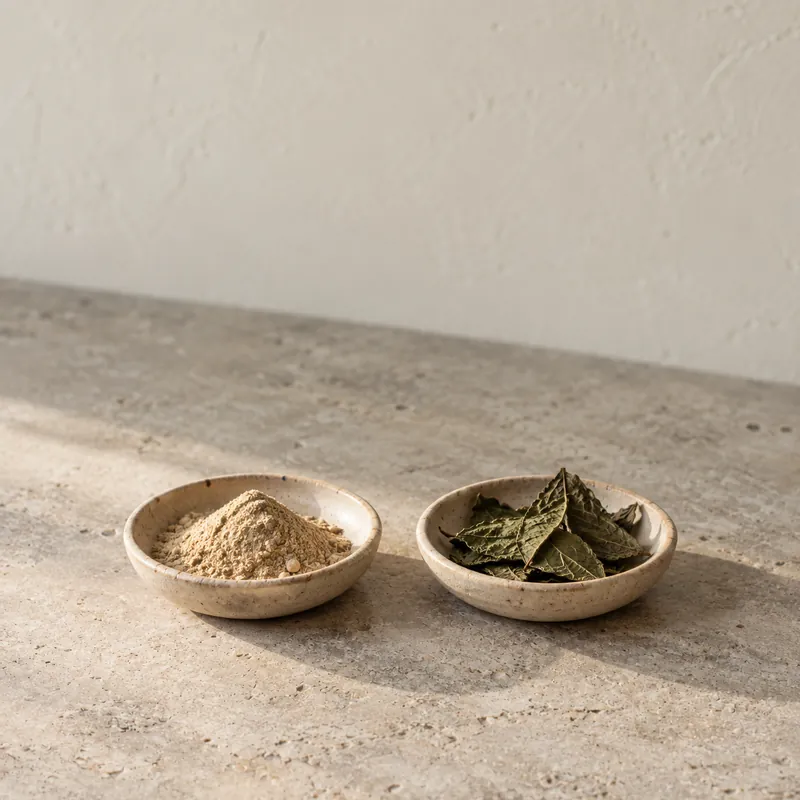
Walk into a kava bar almost anywhere in Florida and you'll see both names on the menu. Kava. Kratom. Same counter, same coconut shell cups, sometimes taps sitting side by side. It's no surprise that half the people drinking them assume they're cousins.

They're not even distant relatives. Kava and kratom come from different plant families on different sides of the planet, they work on completely different receptor systems in your brain, and they carry very different risks. I'm Pedro, co-founder of Kava Moon. We make kava, not kratom, so I'll flag my bias up front. But everything below is sourced, and the citations are linked at the bottom so you can check my work.

TL;DR

Why everyone mixes them up

The confusion makes sense once you look at how these two plants show up in American life. They arrived at roughly the same time, through the same doors. Kava bars sell both. Smoke shops sell both. Both get filed under "botanical drinks that aren't alcohol." Both are earthy, bitter, and served in similar cups. Even the names cooperate in the mix-up: two short K words that sound vaguely tropical.

The problem is that menu proximity implies kinship, and there is none. If a coffee shop also sold beer, nobody would conclude that espresso and IPA are the same thing. That's roughly the situation here, and the stakes are higher, because kava and kratom have genuinely different risk profiles. Someone who thinks they're two flavors of the same plant can't make an informed choice about either.

Two different plants, two different worlds

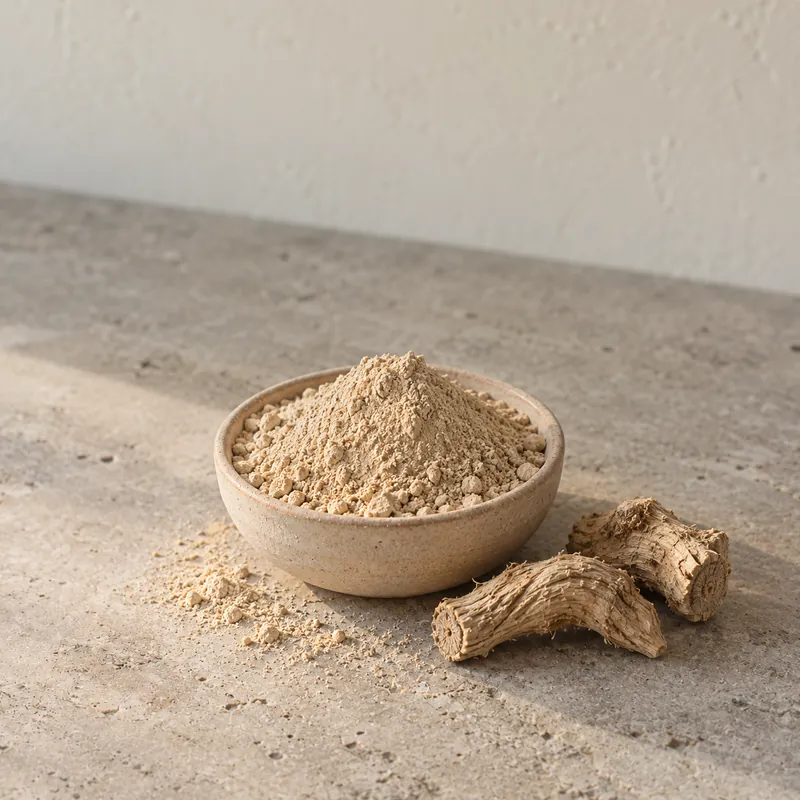
Kava comes from the root of Piper methysticum, which is Latin for "intoxicating pepper." It's a member of the pepper family, cultivated across the South Pacific: Vanuatu, Fiji, Tonga, Samoa, Hawaii. Islanders have prepared it for around 3,000 years by grinding the root and mixing it with water, and it still anchors ceremonies, village councils, and everyday social life across the region. The leaves and stems are never used, only the root.

Kratom comes from the leaf of Mitragyna speciosa, a tropical tree in the coffee family that grows in Thailand, Indonesia, Malaysia, and neighboring countries. Traditionally, farmers and laborers in Southeast Asia chewed fresh leaves or brewed them as tea while working. In the US it's usually sold as powdered leaf, capsules, or concentrated extract.

So the scorecard reads: root versus leaf, pepper family versus coffee family, South Pacific versus Southeast Asia. Different plants, different parts, different continents, different traditions. And that's before we get to the part that matters most.

How each one works in the brain

This is the real dividing line, and it's not subtle.

Kava's active compounds are kavalactones. Laboratory research has shown that kavain, one of the major kavalactones, positively modulates GABA-A receptors, part of the brain's primary calming system, and does so without acting through the classical benzodiazepine binding site (Chua et al., 2016). If you want the full chemistry story, we wrote a separate guide to what kavalactones are and how they work.

Kratom is a different machine entirely. Its two best-studied alkaloids, mitragynine and 7-hydroxymitragynine, act as partial agonists at mu-opioid receptors, the same receptor family that morphine and other opioids act on (Kruegel and Grundmann, 2018). The FDA reached a similar conclusion with its own scientific analysis and has publicly stated that compounds in kratom act like opioids (FDA, "FDA and Kratom").

Kava works on the brain's main calming system. Kratom works on the receptor family that opioids use. That single difference explains almost everything else in this article.

To be fair to kratom, "partial agonist" is not the same as "morphine in a leaf." Researchers describe kratom's alkaloids as pharmacologically atypical, and the science is still developing. But the receptor family a compound binds to shapes its entire risk profile, and kratom's happens to be the one with the most famous dependence problem in modern medicine.

The dependence question

Here's where the receptor difference stops being trivia and starts being practical.

Because kratom's alkaloids act on opioid receptors, regular use can follow a familiar arc. A study of regular kratom users in Malaysia documented tolerance, withdrawal symptoms, and cravings among daily consumers (Singh et al., 2014). The FDA's public communications on kratom raise the same concern, and NIDA lists dependence and withdrawal among reported effects of long-term use (NIDA). None of this means every kratom user ends up dependent. It means the mechanism for dependence is present and documented.

Kava sits on the other side of this divide. It is not associated with opioid-type dependence, and a placebo-controlled kava trial that specifically monitored participants for withdrawal and addiction signs reported none for the extract tested (Sarris et al., 2013).

Then there's the strange part. Many kava drinkers report that their first few sessions did almost nothing, and the effects became clearer with repeated use. That pattern is commonly called reverse tolerance, and it's the opposite of what dependence-forming substances do. We wrote a full science deep dive on kava reverse tolerance if you want the honest, sourced version of that story.

Key Takeaway

Kratom has documented reports of tolerance, dependence, and withdrawal in regular users, which fits its opioid-receptor mechanism. Kava is not associated with opioid-type dependence, and many drinkers report needing less over time, not more.

What each one actually feels like

Quick ground rule: neither of these is medicine, and we're not going to describe either one as a treatment for anything. What follows is how drinkers commonly describe the experience, nothing more.

Kava announces itself with a tingly, slightly numb mouth, which is the kavalactones meeting your tongue. After that, most people describe loose shoulders, a quiet head, and an easier time sitting in conversation. The distinctive part is what's missing: no buzz building toward a peak, no sloppiness, no fog the next morning. It's social without the spiral, which is exactly why we compared how kava stacks up against alcohol in a separate post.

Kratom, by user accounts, depends heavily on the amount. At lower amounts people tend to describe it as stimulating, a bit like strong coffee with an edge. At higher amounts the descriptions flip toward heavy, warm, and sedated, which tracks with its opioid-receptor activity. It's a different kind of experience aimed at a different kind of evening, and honestly, a kava company is not the right narrator for it. We'd rather point you at the research than pretend to be neutral reviewers.

Safety, without the spin

Both plants deserve an honest safety conversation, including the uncomfortable parts for us.

Kava's issue is the liver question. In the early 2000s, a cluster of liver injury reports in Europe led several countries to restrict kava. Later research complicated that picture: reviews point to poor-quality raw material, the use of non-noble cultivars, aerial plant parts, and certain extraction methods as likely contributors, rather than traditional water-based root preparation itself (Bian et al., 2020). Reported cases remain rare relative to how much kava is consumed worldwide. This is exactly why cultivar matters, why we only bottle noble varieties (the full explanation lives in our noble vs tudei kava guide), and why we publish a certificate of analysis for every batch.

Kratom's issue is regulatory and pharmacological. The FDA has not approved kratom for any use, has warned consumers not to use it, and cites risks including liver toxicity, seizures, and substance use disorder (FDA). The agency also maintains an import alert that allows kratom shipments to be detained at the border without physical examination (FDA Import Alert 54-15). The DEA lists kratom as a drug of concern (DEA fact sheet).

None of that makes every kratom user reckless, and none of it makes kava automatically safe by default. Sourcing, quality, and knowing exactly what you're drinking matter in both cases. Which brings us to the section this whole article has been building toward.

Read the label

Here's the part that surprises people most: some popular bottled "kava" drinks also contain kratom. Walk down the functional beverage aisle or scan a kava bar's bottle fridge and you'll find tonics where kratom extract sits right next to kava in the ingredient list, sometimes prominently, sometimes buried in a proprietary blend. The branding says kava. The chemistry says both.

We're not going to name names, and plenty of those companies disclose it clearly. The point is simpler: if you assumed "kava drink" means "kava only," that assumption is not safe. Given everything above, kava and kratom are different enough that you deserve to know which one you're drinking.

Three habits worth building:

For the record, since this is our house: Kava Moon contains 0mg kratom. Both Signature and Pure Canvas are made from noble kava root and nothing else on the active side, and every batch ships with a published third-party lab result you can read before you buy. Not because kratom brands are villains, but because we think a kava bottle should contain kava.

Where the law stands

Kava is legal in the United States. It's sold openly as a beverage and dietary ingredient in all 50 states, which is why kava bars can operate from Florida to Oregon.

Kratom is messier. It's not scheduled at the federal level, but several states have banned it outright and others restrict it by age or regulate labeling, with some cities and counties adding their own rules (DEA). We're keeping this deliberately general because the map keeps changing. If kratom's legal status matters to you, check your state's current rules rather than trusting an article with a date on it, including this one.

The bottom line

Kava and kratom are neighbors on a menu, not relatives on a family tree. One is a Pacific pepper-family root that works on your brain's calming system and has three millennia of communal use behind it. The other is a Southeast Asian coffee-family leaf that works on opioid receptors and comes with FDA warnings attached. Confusing them isn't a small mix-up, it's mistaking two entirely different evenings.

Whatever you choose to drink, know what it is, know where it came from, and make the label prove it.

Frequently Asked Questions

Is kratom the same as kava?

No. Kava is made from the root of Piper methysticum, a plant in the pepper family from the South Pacific. Kratom comes from the leaf of Mitragyna speciosa, a tree in the coffee family from Southeast Asia. They contain different active compounds that work on different receptor systems in the brain.

Can you mix kava and kratom?

We don't recommend combining them. They work on different systems in the brain, there is no good research on how they interact, and stacking two active botanicals makes it much harder to know what you're actually feeling or how much is too much.

Which is safer, kava or kratom?

Neither is risk-free, but the risk profiles are different. Kava's main safety question involves rare reports of liver injury, which research has linked in part to poor-quality raw material and non-noble cultivars. Kratom acts on opioid receptors, and the FDA has publicly warned about dependence and other risks. We make kava, so read our take with that in mind, and look at the sources yourself.

Does Kava Moon contain kratom?

No. Both of our products contain 0mg kratom. They are made with noble kava root only, and we publish a third-party certificate of analysis for every batch so you can verify exactly what is in the bottle.

Is kratom legal in the United States?

Kratom is not federally scheduled, but several states have banned it and others restrict or regulate it, so legality depends on where you live. Kava is legal throughout the US. These laws change, so check your state's current rules before buying either one.

Sources

  1. Chua HC, et al. Kavain, the Major Constituent of the Anxiolytic Kava Extract, Potentiates GABA-A Receptors: Functional Characteristics and Molecular Mechanism (2016). PMC
  2. Kruegel AC, Grundmann O. The medicinal chemistry and neuropharmacology of kratom (Mitragyna speciosa), a modern alternative to opium (2018). PubMed
  3. Singh D, Muller CP, Vicknasingam BK. Kratom (Mitragyna speciosa) dependence, withdrawal symptoms and craving in regular users (2014). PubMed
  4. Sarris J, et al. Kava in the treatment of generalized anxiety disorder: a double-blind, randomized, placebo-controlled study (2013). PubMed
  5. Bian T, et al. Kava as a Clinical Nutrient: Promises and Challenges (2020 review). PMC
  6. US Food and Drug Administration. FDA and Kratom (public health focus page). FDA.gov
  7. US Food and Drug Administration. Import Alert 54-15: Detention Without Physical Examination of Dietary Supplements and Bulk Dietary Ingredients That Are or Contain Mitragyna speciosa or Kratom. FDA.gov
  8. US Drug Enforcement Administration. Kratom Drug Fact Sheet. DEA.gov
  9. National Institute on Drug Abuse. Kratom (research topic). NIH.gov