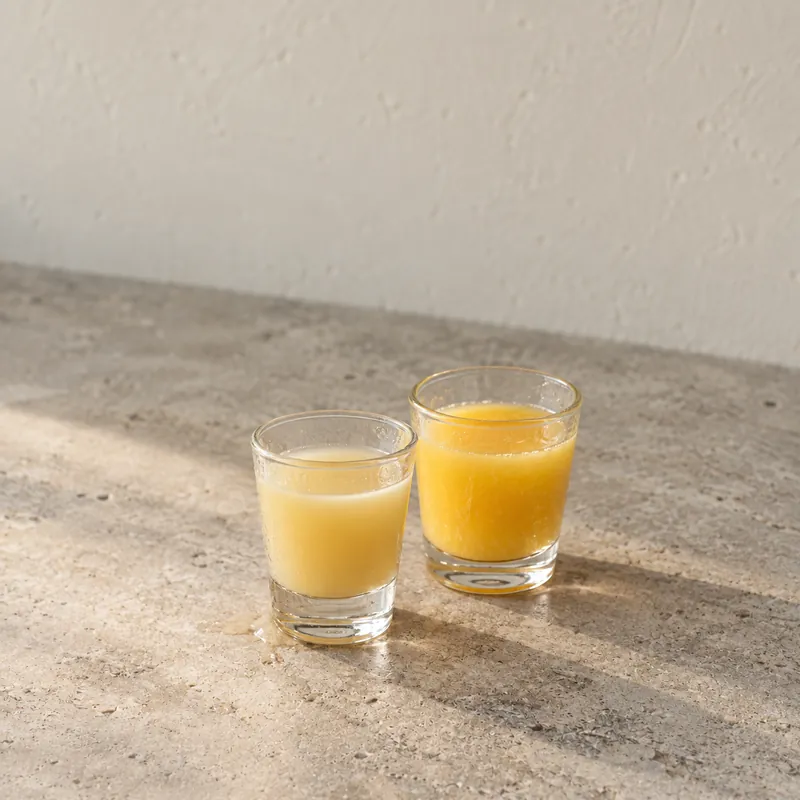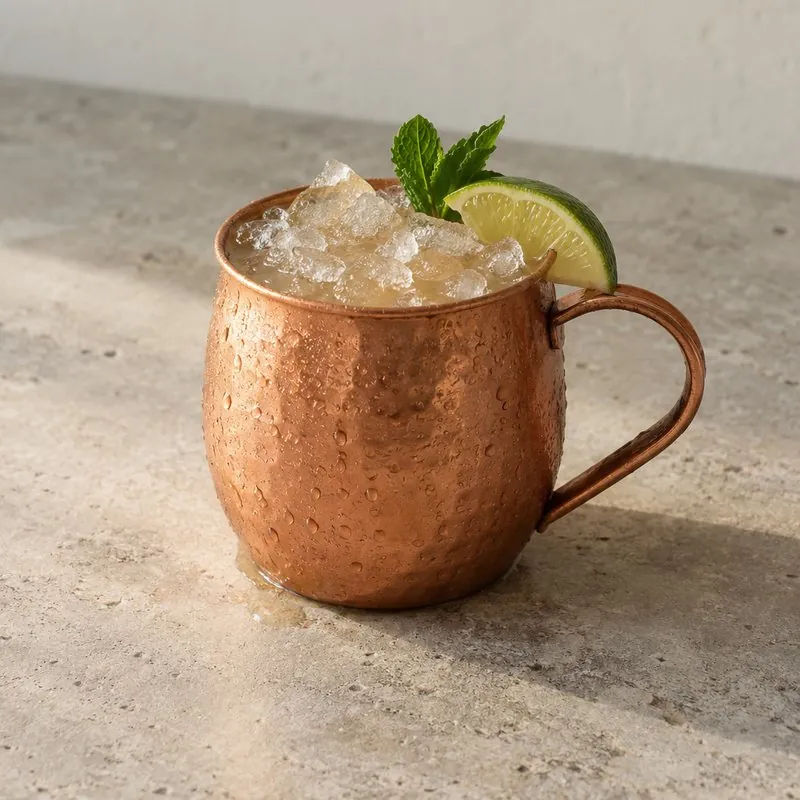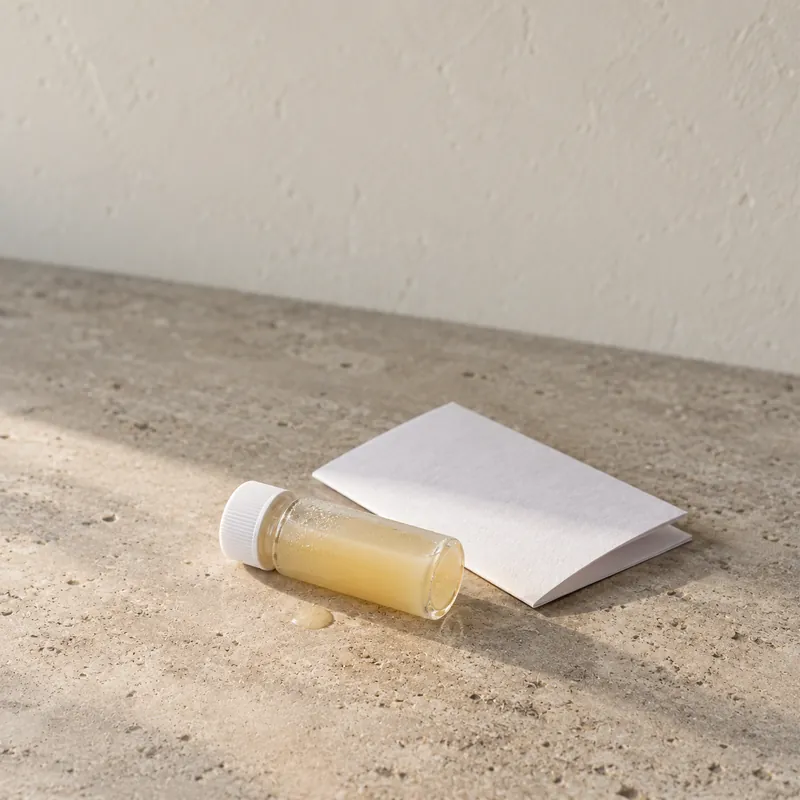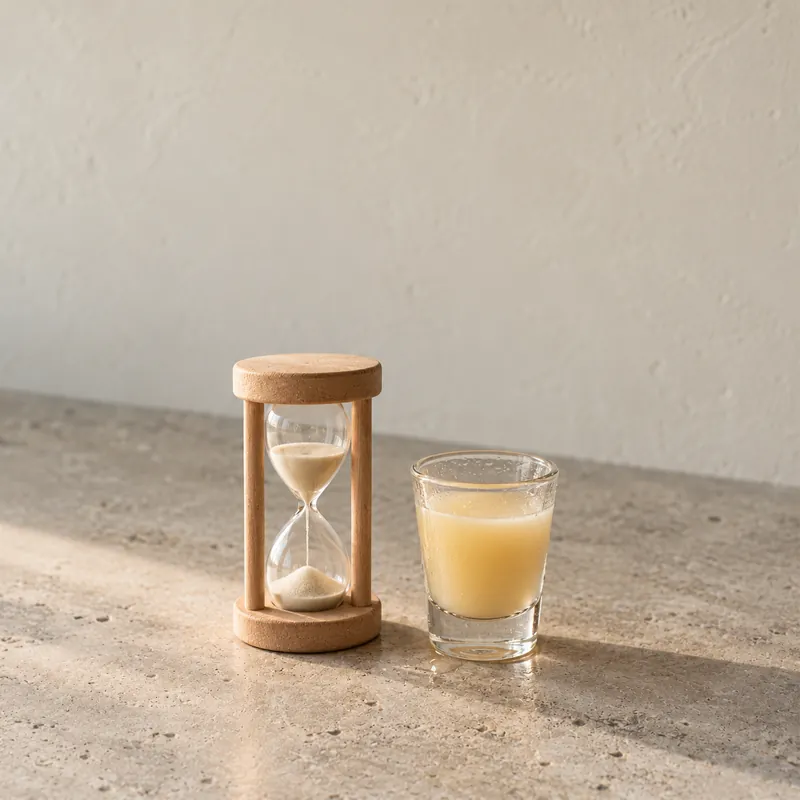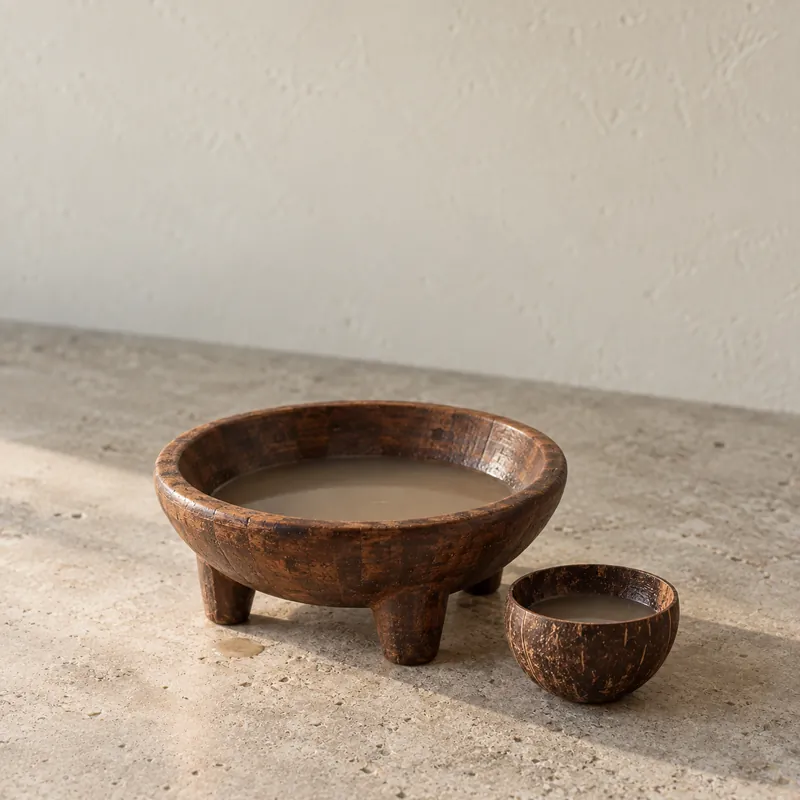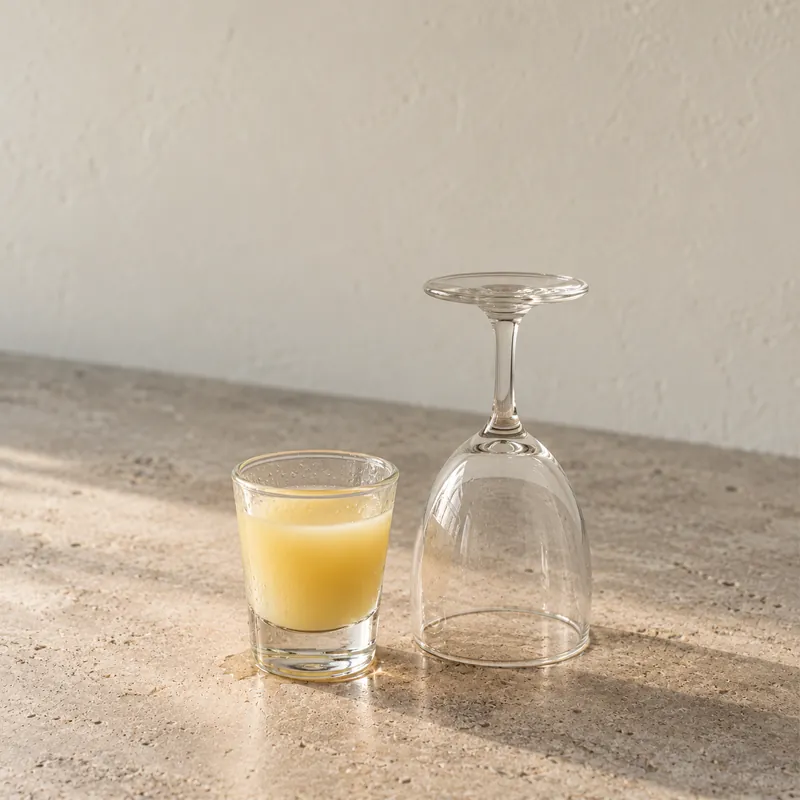
My family started swapping some evening drinks for kava before we made Kava Moon. We wanted something we could pour and share at home. Traditional kava was hard to persuade friends to try, and the bottled options I found often cost more than I wanted to spend or weren't as strong as I wanted.
That's our reason for making a kava drink. If you're comparing kava with alcohol, the useful details are the ingredients, serving size, experience and precautions. We sell kava, so this is a comparison from a maker, with sources you can check.
Choosing an alcohol alternative
There are plenty of reasons to choose an alcohol-free evening. You don't need a formal challenge or a long explanation. You may simply want a different drink with your friends.
Kava offers its own taste and effects. It is an active botanical, so it needs more consideration than choosing a sparkling water. It also won't suit everyone.
How alcohol affects an evening
Alcohol can impair judgment, memory and coordination. As the amount rises, the risks rise too. The National Institute on Alcohol Abuse and Alcoholism explains its effects on the brain and other organs.
Alcohol also affects sleep. A review of sleep studies found changes in sleep structure and disruption later in the night. Its hangover guidance describes several contributors, including inflammation, dehydration and disrupted sleep.
Those findings explain some reasons people look for alternatives. They don't establish that any particular alternative is harmless.
What kava feels like
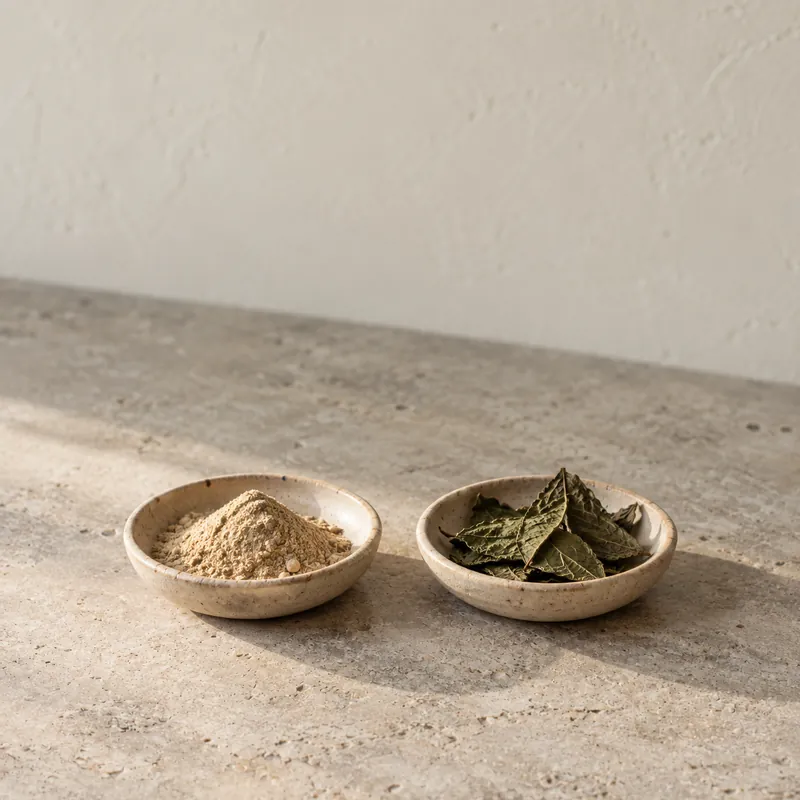
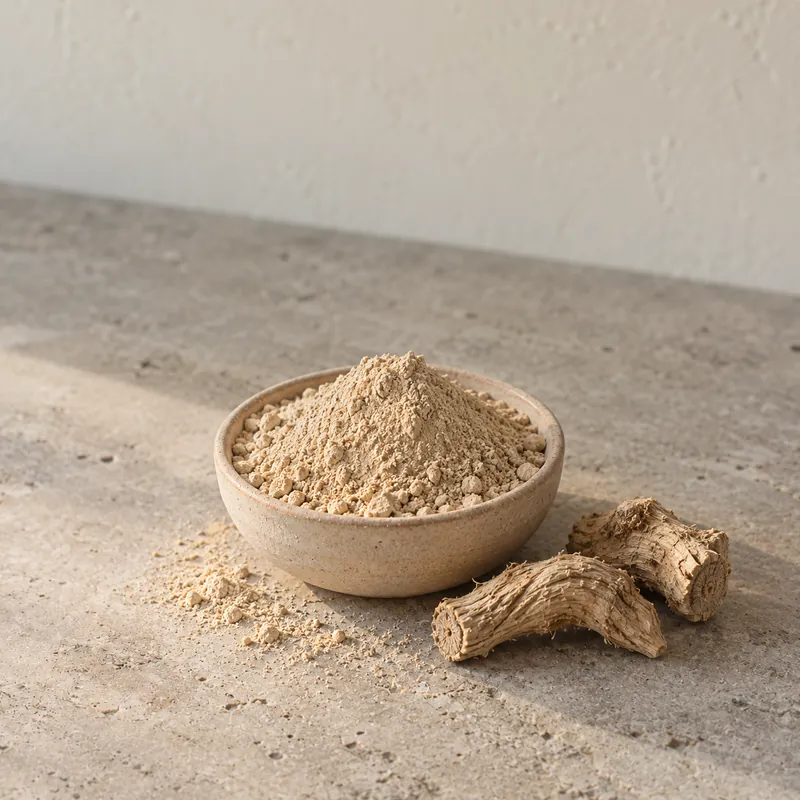
Kava comes from Piper methysticum. Its main active compounds are kavalactones. Drinkers often describe a tongue tingle, followed by calm, easy relaxation and a clear-headed, social feeling. People often notice it within 15 to 30 minutes, but responses vary.
Clear-headed is a description of how someone feels, not proof of unimpaired reactions. Don't drive after kava. It can cause drowsiness, dizziness and other side effects.
A laboratory study of kavain found activity at GABA-A receptors. That helps explain one part of the chemistry; it doesn't make a kava drink equivalent to alcohol or a medicine. Our kavalactone guide covers the detail.
If your first serving feels subtle, don't keep pouring. Our first-time guide and reverse tolerance article explain the uncertainty. A study of standardized extract also found that food changed absorption.
Kava and alcohol side by side
| Question | Alcohol | Kava |
|---|---|---|
| Active ingredient | Ethanol. | Kavalactones, with the amount depending on the product. |
| Serving | Volume and alcohol concentration both matter. | Follow the specific product label. A shell and a concentrated shot are not interchangeable. |
| Effects | Can impair judgment, memory and coordination. | Often described as relaxing and social, but can also cause drowsiness and impaired reactions. |
| Driving | Don't drive after drinking. | Don't drive after drinking. |
| Next day | A hangover can follow drinking. | A different ingredient does not guarantee a symptom-free morning. |
| Calories | Depend on alcohol content and the rest of the drink. | Check the nutrition panel and count your mixers too. |
There isn't a drink-for-drink conversion
One serving of kava does not "equal" one beer or one glass of wine. Their active ingredients differ, and increasing kava isn't a way to reproduce an alcohol buzz.
Kava also tastes different. It's earthy and peppery. Signature Citrus contains orange juice to soften that taste, but I wouldn't describe it as a replacement for the flavor of wine.
Check other botanicals too. Some drinks combine ingredients, and kava and kratom are not the same thing.
Why our newsletter readers come to kava
After someone joins our newsletter, we ask an optional question: "What brings you to kava?" In responses dated July 5 through October 2, 2026, 181 distinct email addresses supplied an answer. Of those, 104 selected "Instead of alcohol."
| Answer | Respondents |
|---|---|
| Instead of alcohol | 104 |
| Winding down at night | 36 |
| Just curious | 19 |
| Socializing | 14 |
| Something else | 8 |
How we counted: one latest answer per distinct email address. Repeat submissions were combined, and typed answers were grouped under "Something else." This is a self-selected group of newsletter signups, not a representative survey or a set of verified buyers. The answers describe their interest in kava; we did not ask whether they bought it, changed their drinking or experienced any particular result. No names, email addresses or individual answers are published.
Pouring kava at home
We chose a 750 mL bottle so people could keep it at home and pour individual servings. Signature Citrus is our orange-juice recipe. Pure Canvas leaves out the orange juice if you want to choose your own mixer.
Measure 1.5 oz of Kava Moon for one serving. That's 300 mg of kavalactones stated on the label. Wait at least an hour before considering a second serving, and stop at two in an evening. Our mocktail recipes and serving guide give you ways to make that measured pour into a longer drink.
The precautions still matter
Rare serious liver injuries have been reported with kava products. Early reports often involved concentrated supplement extracts. Researchers have considered extraction methods, raw-material quality, other medicines and individual susceptibility. No single cause has been proven for every case.
Traditional water-based preparations have a different history from those supplements. The FAO/WHO beverage review discusses that distinction. It is not a guarantee that every water-based product is safe for everyone.
We use noble root, extracted with water, and publish our lab reports. These choices describe how we make and test our product. They do not turn it into a treatment.
For Dry January, Sober October or a night at home
If you decide kava is suitable for you, try a measured serving on an evening when you can stay home. You can mix it with ginger beer or juice, or invite friends to try it with you. Tell them what it contains and have non-kava options available.
A kava bar is another way to try it. Check the menu and arrange a ride. You don't have to drink kava every day, build up to it or force yourself to enjoy it.
Common questions
Can I drive after kava?
No. Don't drive or operate machinery after drinking kava, even if you feel clear-headed.
Can I mix kava with alcohol?
No. Keep kava separate from alcohol, including alcohol in a cocktail mixer.
How many kava servings equal an alcoholic drink?
There is no equivalent. Follow the kava product's directions rather than trying to match a number of beers or glasses of wine.
Is kava suitable for a daily routine?
There is no blanket recommendation for daily use. Consider your health and medications with a qualified professional, and follow the product label.
Further reading
The linked NIAAA overview, NCCIH kava overview and research papers explain the evidence behind this comparison. For our own product measurements, use the published reports.

Pedro Luz, Co-Founder of Kava MoonPedro runs Kava Moon with his family in Orlando, Florida. The family makes its drinks with noble kava and publishes its independent laboratory reports.